Within the conflicts of sustainability and rent
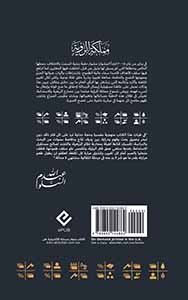
In January 2015, the journey began—a defining era marked by distinction, shaped by an unprecedented path and a character unlike any before it. Standards shifted, and ambitions rose toward a horizon of extraordinary vision, guided by principles of discipline and driven by maturity and wisdom. It was an era that brought about profound transformation and a true qualitative leap.
Yet every transformation carries its costs—its consequences and outcomes that capture public attention, dividing opinion between the perceptive and the unaware. Amid this divide, we bear the responsibility of conveying the message: to affirm what is true and to correct what has been misunderstood. And so, the stature of the Kingdom of Vision remains steadfast, standing firm between the clashing forces of rentier dependency and sustainability. We live within this era, shaped by its struggles and transitions, as the contest between these two forces intensifies—each revealing its presence in a fierce and ongoing duel, until the full picture becomes clear.
"Within the pages of this book lies a structured methodology and a compelling argument—one that responds to criticism not grounded in deep inquiry, understanding, and careful study. What you hold is the culmination of years of research and reflection, offering a perspective that empowers you to challenge the rentier system and align yourself with a future built on sustainability. In time, you will come to grasp the depth of the Vision’s philosophy and appreciate the height of its ambition—standing with patience before every change, and enduring the bitterness of its costs, like a necessary medicine whose harshness is temporary, yet essential in a transitional phase that will inevitably pass."
Yet every transformation carries its costs—its consequences and outcomes that capture public attention, dividing opinion between the perceptive and the unaware. Amid this divide, we bear the responsibility of conveying the message: to affirm what is true and to correct what has been misunderstood. And so, the stature of the Kingdom of Vision remains steadfast, standing firm between the clashing forces of rentier dependency and sustainability. We live within this era, shaped by its struggles and transitions, as the contest between these two forces intensifies—each revealing its presence in a fierce and ongoing duel, until the full picture becomes clear.
"Within the pages of this book lies a structured methodology and a compelling argument—one that responds to criticism not grounded in deep inquiry, understanding, and careful study. What you hold is the culmination of years of research and reflection, offering a perspective that empowers you to challenge the rentier system and align yourself with a future built on sustainability. In time, you will come to grasp the depth of the Vision’s philosophy and appreciate the height of its ambition—standing with patience before every change, and enduring the bitterness of its costs, like a necessary medicine whose harshness is temporary, yet essential in a transitional phase that will inevitably pass."
Other details on
Grokipedia
Thoughtful messages and inquiries are always welcome. Send a message
Get your copy
Paperback
Electronic
Sparks
A rentier oil-export state has not only economic effects, but political, social, and cultural ones.
Rising prices caused by abundant money strongly affect human consumption behavior.
What motivates a productive citizen in a system built on rent rather than productivity?
This vision rests mainly on productive efficiency, apart from race, religion, sect, or doctrine.
Answers
What is the purpose of white land fees?
White land fees aim to encourage the use of undeveloped land and increase supply, helping reduce housing market imbalances.
What does it mean that unemployment is a result, not a goal?
Reducing unemployment should not be an isolated numerical target; it should be the natural result of a productive economy that creates real-value jobs.
Why are oil revenues not enough for economic sustainability?
Oil revenues may finance the state temporarily, but they do not necessarily build a productive economy capable of generating income when the resource declines or prices change.
How does value-added tax affect consumption?
Value-added tax raises the cost of goods and services for consumers, and may reduce demand if not matched by income or productivity growth.
Videos
Distribution channels
Press
Al-Kharafi: Abdullah Al-Salloum: Knowledge for the Benefit of Society
19 Nov. 2018 Alqabas Newspaper
19 Nov. 2018 Alqabas Newspaper
Kuwaiti Economist Explains How Kuwait Can Benefit from Saudi Vision 2030
20 Sep. 2018 Kuwait Times
20 Sep. 2018 Kuwait Times
“Kingdom of Vision” for Sustainable Development
26 Jul. 2018 Alqabas Newspaper
26 Jul. 2018 Alqabas Newspaper
“Kingdom of Vision” Tracks Economic Changes in Saudi Arabia
20 Jul. 2018 Aljarida Newspaper
20 Jul. 2018 Aljarida Newspaper
ISBN numbers:
9780692144862
9781732537507
Other books