
A suite of smart accounting tools, thoughtfully crafted to empower entrepreneurs, innovators, and even consumers in enhancing their financial and economic performance. Fully developed from the ground up using open-source technologies, these tools are built to evolve and scale continuously. They are more than just tools—they represent a social responsibility initiative aimed at enabling individuals and elevating financial decision-making in a practical and accessible way for everyone.
In tools

Interactive challenge inspired by the classic 2048 game, redesigned with an economic and strategic spirit. With every move, the player combines matching numbers to reach higher values while trying to preserve enough space on the board and avoid running out of possible moves. Every small decision can create a new opportunity or close the path to the next one, much like economic thinking and resource management.
In challenges

An economic book providing a focused overview of Saudi Arabia’s Vision 2030, analyzing its implementation mechanisms through the lens of macroeconomic theories. It connects the vision’s strategic objectives with the scientific foundations of economic growth and structural transformation. The book achieved significant success, topping bestseller lists on Jamalon and among Arabic books on Amazon.
In books
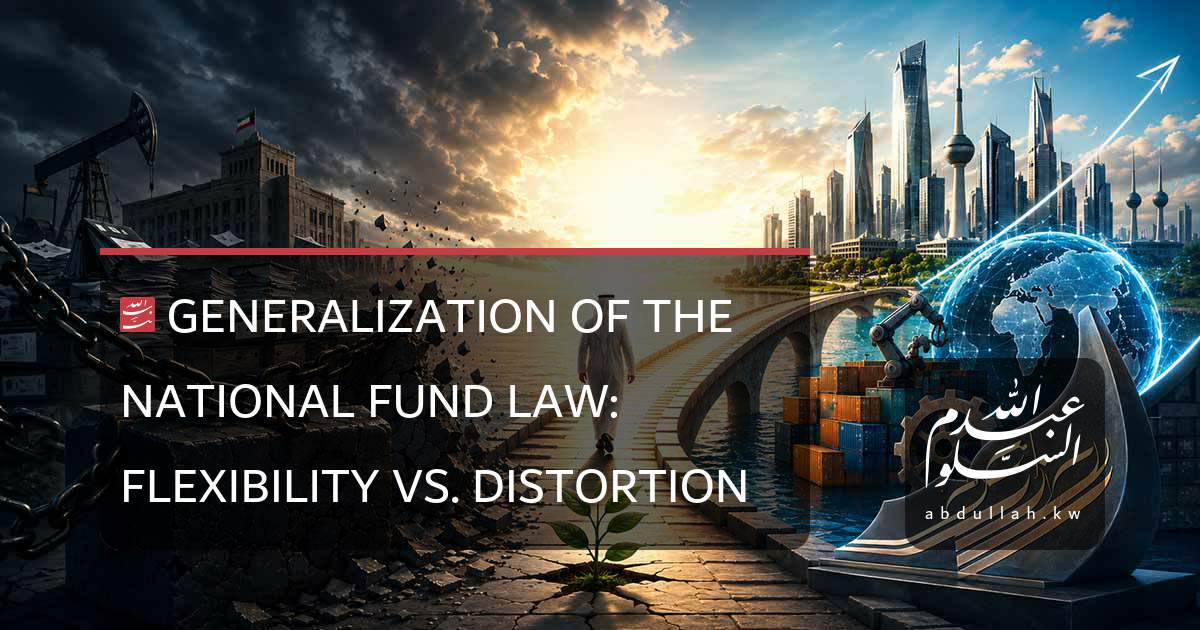
A critique of Kuwait’s National Fund law, calling for clearer economic, institutional, and administrative standards to enable productive growth.
In articles

A political-economic book focusing on the Kuwaiti economy, introducing the concept of a sound economic vision based on structural solutions targeting macroeconomic challenges. The book distinguishes between macroeconomics and microeconomics, emphasizing that micro-level reforms alone cannot achieve overall sustainability. It received official attention, with a copy presented to the then Prime Minister, His Highness Sheikh Jaber Al-Mubarak Al-Sabah.
In books

A comparison between Saudization and the Green Card idea, and their effects on labor markets and productivity.
In videos
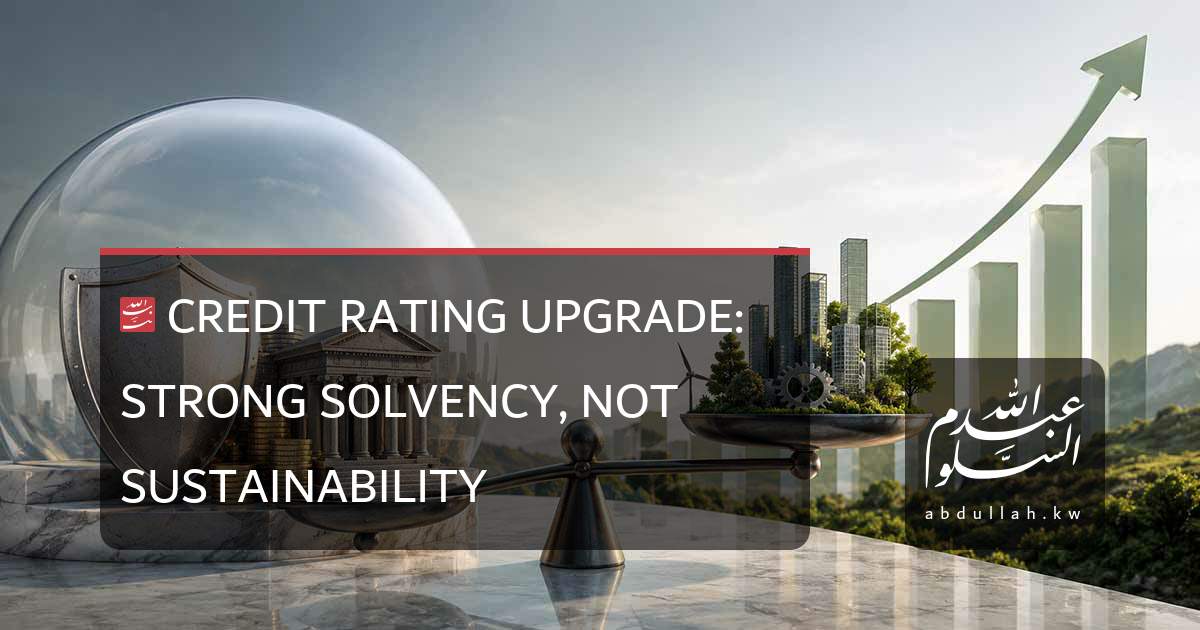
A careful reading of Kuwait’s credit rating upgrade, showing what it affirms in terms of financial strength—and what it overlooks of an economic core without which reform cannot stand.
In articles
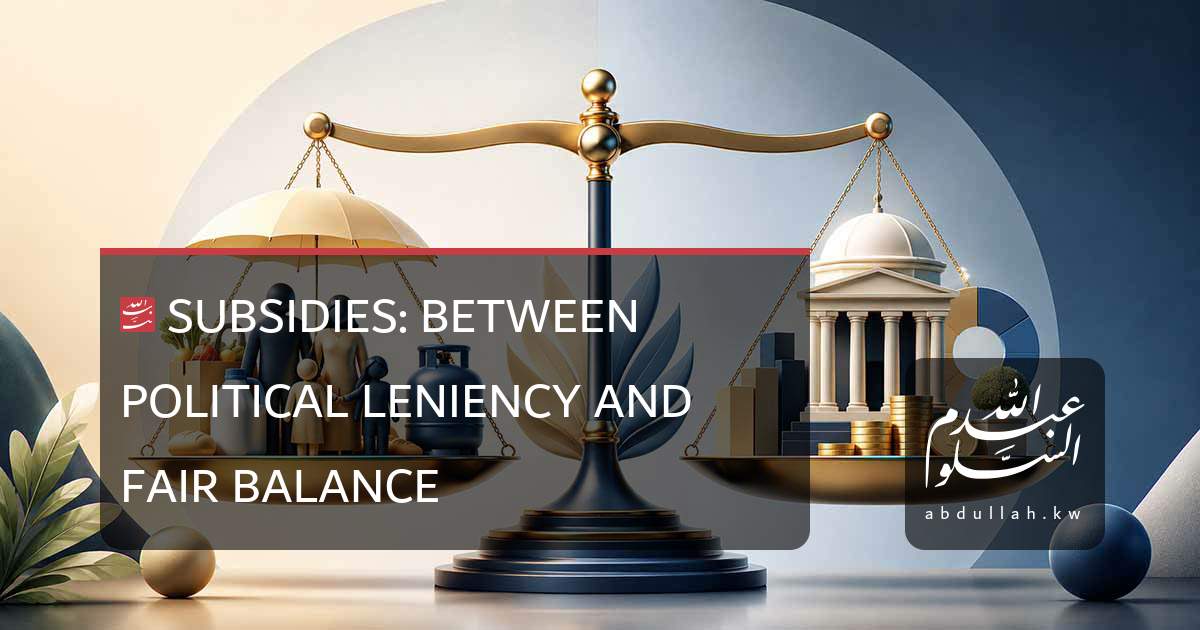
A reflective case for reforming subsidies with gradualism, targeted support, transparency, and justice that protects Kuwait’s blessings.
In articles

A proposal for centralized dynamic insurance pricing in Kuwait to improve fairness, trust, risk discipline, and market transparency.
In articles
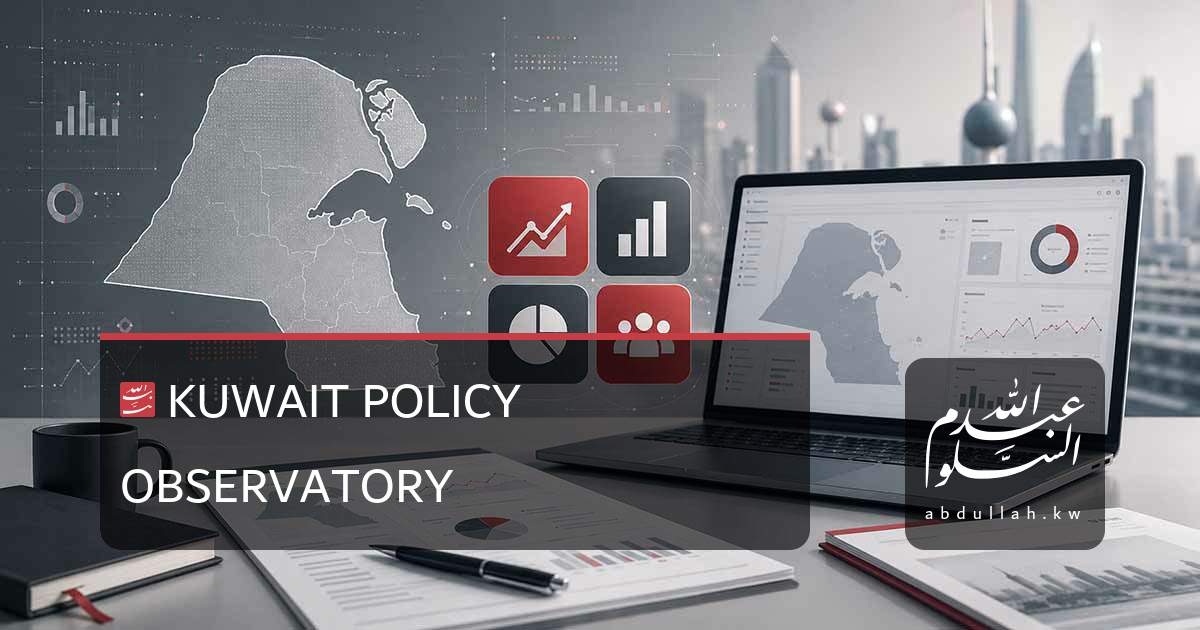
A calm analytical space for reading Kuwait’s economic, administrative, and institutional policy paths — beyond daily headlines, and through the deeper trends that reveal the state’s ability to turn wealth, institutions, and public trust into lasting national capacity.
In observatory

A political-economic novel set during the Ukhaydhirid era, presenting a narrative that uncovers hidden aspects of financial administration and both domestic and foreign policies. The story highlights the transformations that led to macroeconomic reforms aimed at strengthening economic and political sustainability. The novel gained notable recognition, ranking third among best-selling Arabic literature and fiction books on Amazon.
In books

A political-economic novel that presents a fictionalized account of the history of financial systems, through a dramatic narrative linking the evolution of financial institutions with major economic transformations. The novel explores conceptual themes of wealth, stability, and governance within an engaging storyline. It ranked among the top best-selling books on Jamalon.
In books

A defense of Kuwait’s COVID-era economic package and its logic within a rentier economy shaped by oil revenues and government spending.
In articles

A proposal for a Welfare strategy and public authority to measure real living standards beyond wages, linking income, prices, culture, and access.
In articles
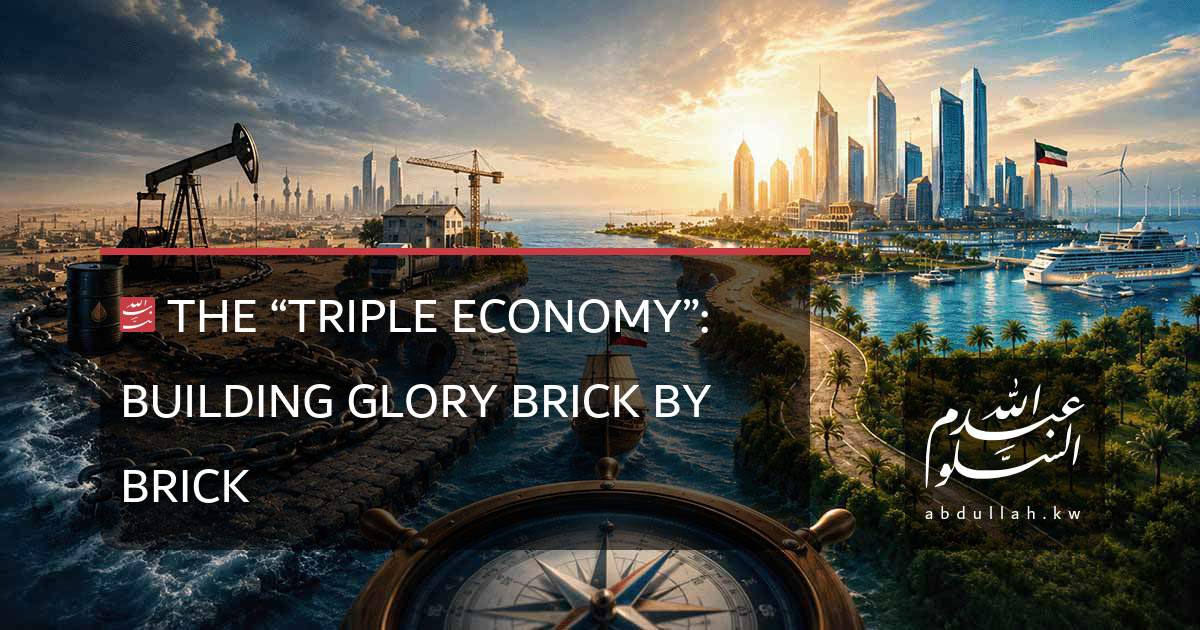
A proposal for Kuwait’s “triple economy” strategy: present, transformation, and future economies converging toward Vision 2035.
In articles
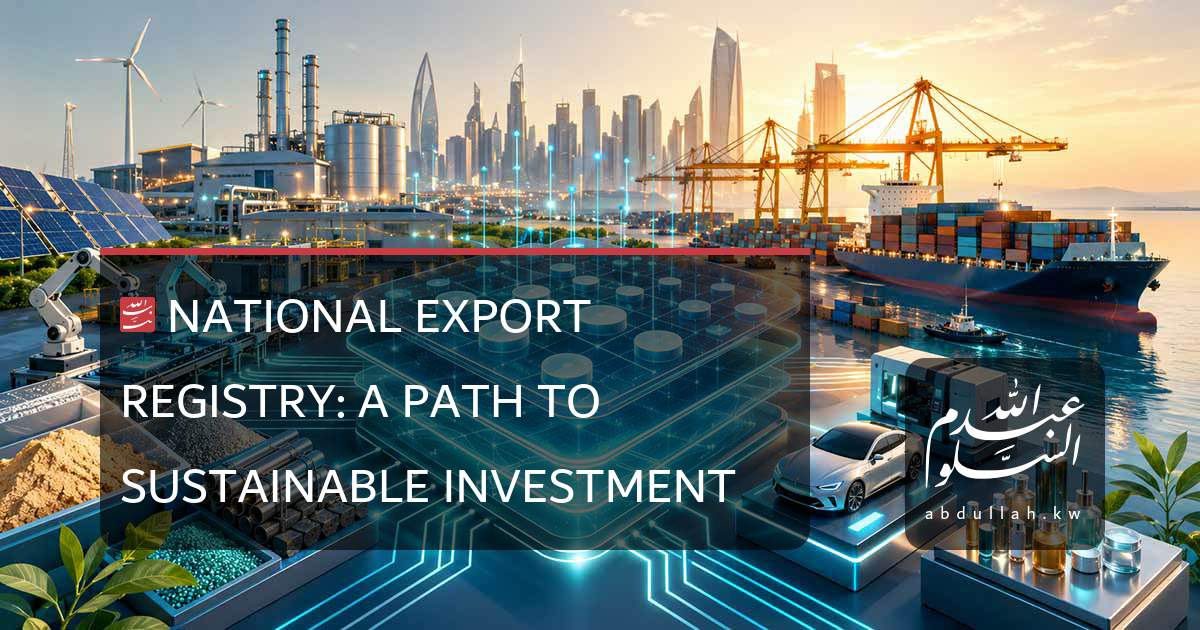
A proposal for a national export output registry to guide production, imports, exports, investment, and Kuwait’s economic sovereignty.
In articles
A reflection on privatization, nationalization, and why consequences matter more than the transfer of ownership.
In articles

A proposal to link Kuwait’s public debt ceiling to productive capacity, non-oil exports, and investment for sustainable fiscal policy.
In articles
Most active among 731 pages visited by 1,045 users across 72 countries over the last 24 hours.
Latest
07 Sep. 2026
–
Ensuring quality borrowing as financing capacity expands between the public-debt ceiling and the Future Generations Fund.
Explore more articles..
Explore
The money supply in all three forms is governed by the central treasury’s usury on every loan.
More sparks..
Explore

An analysis of Kuwait’s economy, addressing oil dependence, fiscal challenges, and opportunities for diversification and sustainable growth.
Explore the topic

An overview of Vision 2030 of Kingdom of Saudi Arabia, from concept to execution, highlighting its impact on economic diversification, sustainability, and future growth.
Explore the topic

Insights on digital transformation, from automation to AI, and its impact on business, governance, and building a smarter, more efficient future.
Explore the topic

A journey through monetary systems from barter to gold and fiat, analyzing current challenges and the future of money in a changing global economy.
Explore the topic
What is the most important question when dealing with investment disclosure?
Disclosure builds trust because it reduces uncertainty and makes risk pricing closer to analysis than guesswork. Through the angle of trust, the result appears not only in declared language, but in the policy’s ability to change incentives and outcomes.
Source Saudi Aramco Valuation
More answers..
Explore

Fnjan Podcast, Thmanyah Publishing & Distribution
Jan. 2022 – In this episode of Fnjan, host Abdulrahman Abu Malih sits down with Abdullah Al-Salloum for an in-depth conversation about the future of Gulf economies and one of the region’s most pressing questions: When will the Gulf economy move beyond oil dependence?
The discussion explores the structure of Gulf economies and the similarities and differences between Saudi Arabia, Kuwait, Qatar, the UAE, Oman, and Bahrain. Abdullah Al-Salloum provides a...
Explore more media..
Explore
Publishing outlets